
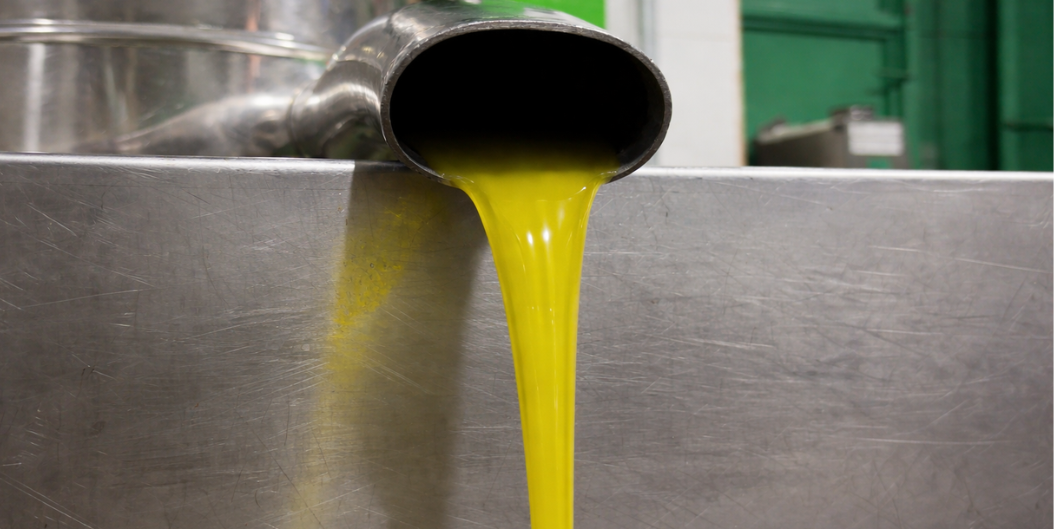
How extra virgin olive oil is made: from olive to oil
Extra virgin olive oil is one of the most iconic products of Mediterranean culture. Behind every bottle there is a process that combines tradition, knowledge and a deep connection with the land.
Understanding how extra virgin olive oil is made allows visitors to appreciate the work behind this extraordinary product.
For many travelers, visiting an olive oil mill and learning about the production process becomes a memorable food experience.
Olive cultivation
The journey of olive oil begins in the olive groves. The quality of the oil depends on several factors such as olive varieties, climate and soil conditions.
Each region produces olive oils with unique characteristics.
Olive harvesting
Harvesting is one of the most important moments of olive oil production.
Olives are picked at the right stage of ripeness to preserve their aromas and quality.
Olive oil extraction
Once the olives arrive at the mill, they go through a process that transforms them into olive oil.
The main steps include:
-
cleaning
-
crushing
-
malaxation
-
oil extraction
This process allows producers to obtain high-quality extra virgin olive oil.
Olive oil as a cultural heritage
Extra virgin olive oil represents much more than a food product. It is part of the cultural and agricultural heritage of Mediterranean countries.
For this reason, many travelers today include olive oil mill visits in their itinerary to experience the tradition of olive oil production in Italy.